ASTM A312 Pipe Selection Guide for Engineers and Procurement Teams
Choosing an ASTM A312 pipe does not involve looking for any ordinary stainless steel tubes. Most project issues come from mismatched grades, unclear pressure needs, or incorrect assumptions about service conditions. Once installed, these errors are expensive to fix. The goal of a proper selection process is to align design requirements with material behavior before purchase decisions are locked in. In many industrial sourcing workflows, including those handled through UNIACERO, selection starts by defining service conditions rather than by comparing prices or catalogs.
Start with the service environment
First, define the pipe’s material and position. Stainless steel’s performance depends on temperature, chemical resistance, and rust. Its behavior differs when used for water versus chemical transport. Without this baseline, all later choices become uncertain.
Clarify the pressure level early
Pressure is one of the main factors in pipe selection. ASTM A312 pipes are used across different pressure ranges depending on thickness and manufacturing method. Engineers typically define maximum working pressure before choosing size and schedule. This prevents undersized pipes from entering systems where stress levels may rise unexpectedly during operation.
Understand material grades
A312 may include stainless steel grades like 304, 316, and stabilized types. Different grades behave differently to corrosion and temperature effects. 304 grade is recommended for general applications, while 316 grade is recommended for chloride environments. UNIACERO often organizes material data in procurement stages so that grade selection aligns with environmental exposure rather than cost alone.
Seamless vs welded choice
Pipe manufacturing type affects both strength and cost. Seamless pipes have no weld seam and are used in higher-pressure or critical systems. Welded pipes are formed from steel strips and are more common in general applications. The correct choice depends on how much risk the system can tolerate, not just budget limits.
Wall thickness selection
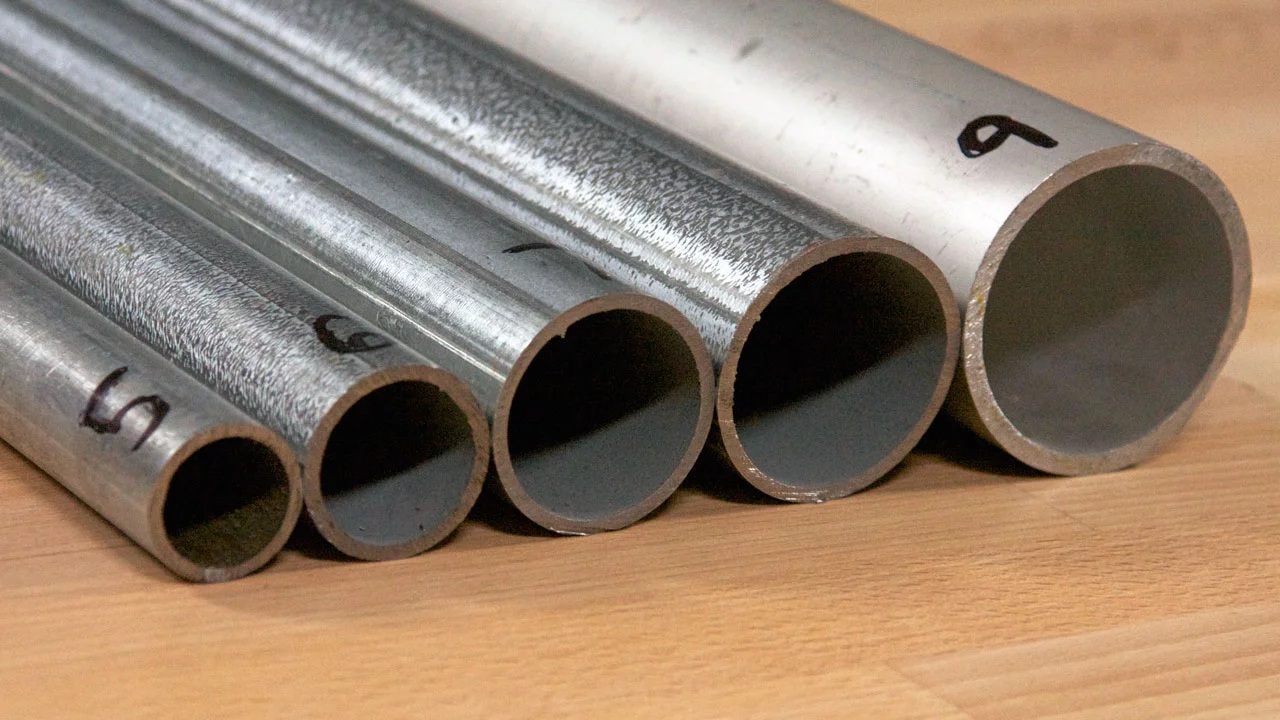
Wall thickness, defined by schedule, directly affects strength and flow capacity. Thicker walls handle more stress but reduce internal diameter. In systems where flow efficiency is significant, this trade-off becomes important. Thickness is not a simple parameter to consider; it is a balance of pressure and operating conditions.
Temperature effects
The behavior of stainless steel under load is affected by heat. At high temperatures, the material’s strength decreases, and at low temperatures, its flexibility diminishes. ASTM A312 is designed for various thermal conditions, but limits must be confirmed for each project. For some procurement reviews processed via UNIACERO, the temperature range is verified before pipe specifications are issued.
Corrosion considerations
Another advantage is its corrosion resistance. But not all grades are resistant to corrosion. The service life can be reduced due to the selection of an incorrect grade by chloride exposure, humidity, or chemical contact. Hence, the selection of material should not be based on general assumptions but rather on the actual conditions.
Dimensional consistency
Pipe sizes are standard to the NPS system; however, there is a possibility of confusion between diameter and schedule. Any minor differences can lead to delays in installation. Engineers need to ensure that these two parameters, outer diameter and wall thickness, are verified together. This will make it compatible with fittings, valves, and existing pipework.
Manufacturing quality checks
The pipe is tested for strength and internal defects prior to acceptance. A few common tests are hydrostatic testing and non-destructive testing. The checks help ensure the pipe is acceptable. Defects may not show up until after the installation, resulting in expensive failures if the product was not inspected.
Surface finish requirements
Surface condition affects both corrosion resistance and flow behavior. Some systems require smooth internal surfaces, especially in food or chemical transport. Others prioritize structural strength over finish. Choosing the correct surface treatment depends on service sensitivity rather than appearance.
Documentation and traceability
Material certificates, test reports, and batch tracking are part of proper pipe selection. These documents confirm that the delivered product matches the specified standard. In structured procurement flows, UNIACERO includes traceability records to reduce verification issues during inspection or audits.
Avoiding common selection errors
Most problems in A312 pipe projects stem from recurring mistakes, such as selecting the wrong grade or ignoring environmental conditions. Another common issue is assuming all stainless steel behaves the same across different schedules. These errors usually appear after installation begins, not during quotation.
Final selection check
Before confirming the purchase, all parameters should be reviewed together: grade, thickness, pressure, temperature, and corrosion risk. A mismatch in any one area can affect system performance. A final cross-check ensures that the selected pipe matches both design intent and operating reality.
Conclusion
ASTM A312 pipe selection depends on aligning material properties with real operating conditions. Decision points such as grade selection and wall thickness affect system stability over the long term. Careful consideration of these decision points increases the system’s reliability. With careful planning, documentation, and specification control, one can ensure that the selected pipe meets the requirements.