Choosing the Right Mulcher for Land Clearing Work
Land clearing looks simple from a distance, but the reality is more specific. Different sites carry different types of growth, soil conditions, and limits on how much disturbance is allowed. A mulcher is often used because it reduces vegetation on-site without needing extra transport or burning. The challenge is that not all mulchers behave the same way. Some are built for light brush, others for thick trees or rough terrain. Choosing the wrong one usually leads to slow progress and extra strain on equipment. Machines from JYF Machinery are often used for these tasks because they come in various configurations suited to different field needs. You can learn more here about the correct mulcher choice.
Size of the Work Area
The first point to think about is the size of the land. Small plots require a different setup than wide, open fields. A compact machine may work well in tight areas, while larger land requires equipment that can keep working for long stretches without frequent stops. Time also matters here. Bigger areas usually require machines capable of processing vegetation quickly and consistently. Smaller spaces benefit more from control and accuracy rather than speed.
Type of Vegetation
What is growing on the land changes everything. Soft grass and thin weeds are easier to handle than thick bushes or small trees. Some areas even exhibit mixed growth, making the choice more complex. Light vegetation can be handled with simpler systems, while woody growth needs stronger cutting parts. If this mismatch happens, the machine either struggles or wears out faster than expected.
Ground Condition
Soil type affects how the machine behaves. Loose soil reacts differently compared to hard or rocky ground. Also, wet surfaces affect the machine’s mobility and cutting process. If the terrain is uneven, stability will be the key requirement rather than the machine’s speed. Machines that can effectively navigate bumps and slopes will prevent damage to both surfaces and machines.
Power and Output Needs
Various jobs have different requirements for the output levels. There are operations where the target is to clear smaller areas, while in some operations, the focus is on covering long distances. More power does not always mean better results. It depends on the balance between control and force. A steady output is often more useful than a sudden high force that cannot be maintained.
Drum Mulcher Use
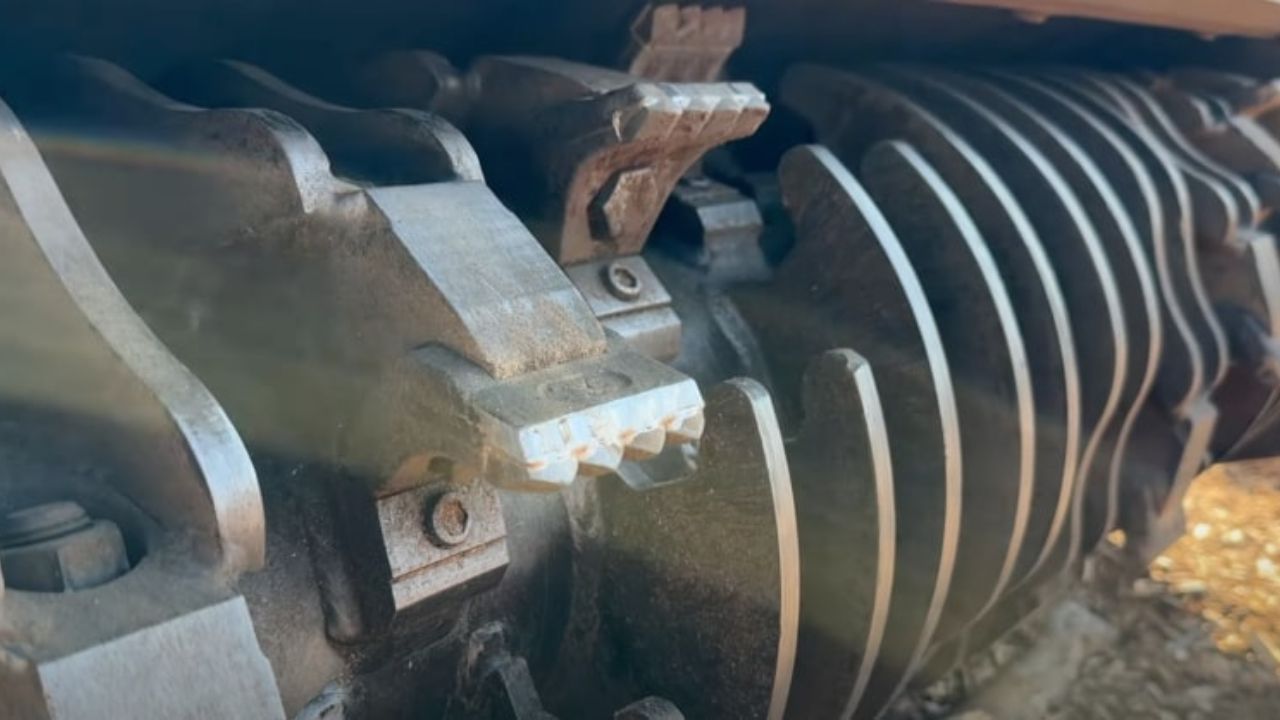
Drum mulchers are often selected for heavier clearing work. They use a rotating drum that pulls in and breaks down dense vegetation. This makes them suitable for thicker growth and larger spaces where steady movement matters. In many field operations, JYF Machinery provides drum-style units designed for consistent, long-term use. These machines are usually chosen when the goal is to clear large patches without repeated passes over the same ground.
Flail Mulcher Use
Flail mulchers work differently. They use swinging parts that strike vegetation repeatedly until it breaks down. It also provides better control for the rough terrain and less vegetation. These are commonly used in areas where the soil needs to remain undisturbed. On agricultural land and in public places, these machines are used to cut grass and other small plants. Equipment from JYF Machinery is also seen in this category, especially where steady ground contact is important.
Hammer Mulcher Use
Hammer mulchers are built for tougher material. Instead of light cutting, they rely on a heavier striking force to break down thick brush and woody stems. This makes them useful in rough land that has been left unattended for long periods. They are slower than lighter systems but handle difficult material more reliably. In forestry-style clearing tasks, JYF Machinery offers hammer-based options designed for strong resistance and long working hours under load.
Disc and Rotary Options
Disc and rotary mulchers sit between light and heavy use. They are often chosen for general clearing in mixed vegetation. Disk-based mulchers cut faster, while the rotary mulchers grind the materials at a constant pace. These equipment options are recommended in roadside construction and on open lands where the conditions do not pose serious threats. The mulchers have sufficient speed and control to perform cutting operations efficiently.
Maintenance and Ongoing Use
Proper maintenance is required for all types of mulching equipment. The cutting tools will wear out over time due to exposure to hard materials. The inspection and replacement of parts help prevent unexpected failures during on-site operations. Machines offered by JYF Machinery may be chosen with the understanding that regular maintenance can be conducted much more easily under conditions of simple parts replacement and consistent operation.
Conclusion
When choosing the most appropriate machine for mulching, strength matters less than compatibility with the terrain. Consider area size, vegetation, soil quality, and operation duration when choosing equipment. Proper analysis makes the process more reliable and predictable. The equipment supplied by JYF Machinery is often utilized under various conditions because it addresses a range of needs without requiring a single setup for every job.