Lost Mary Smooth vs Turbo Mode Flavor Testing Workflow

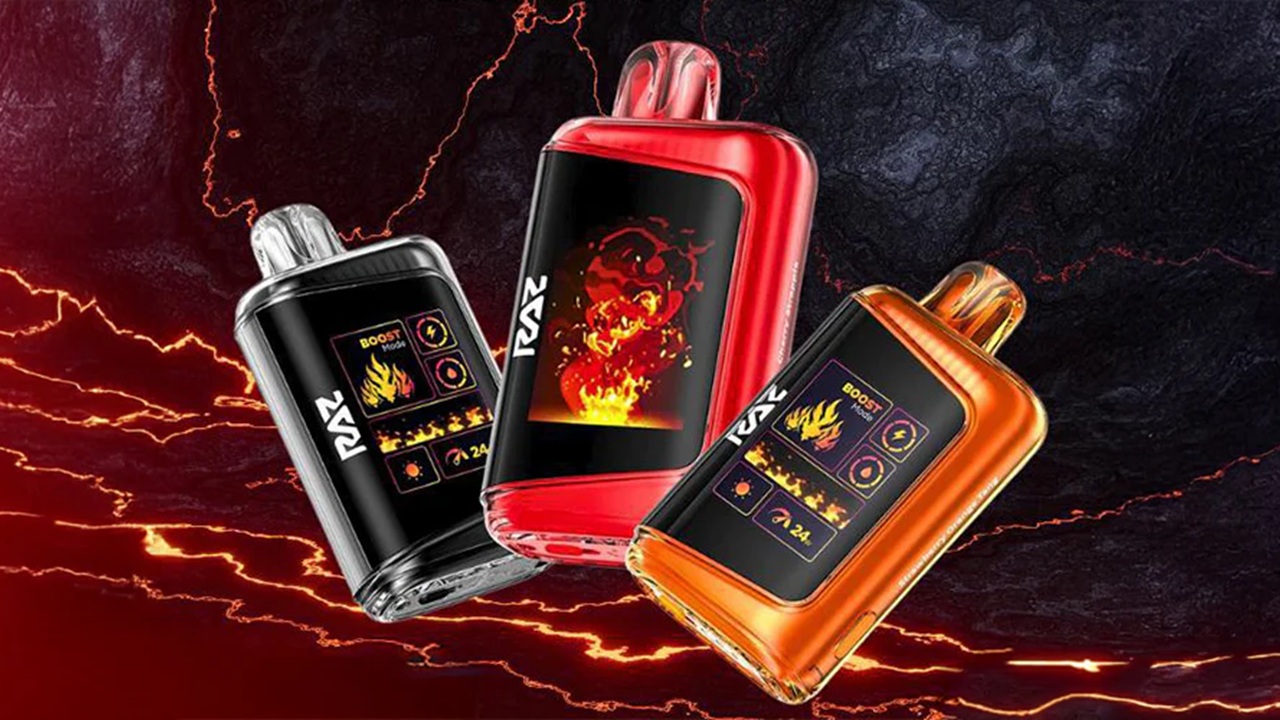
Smooth and Turbo modes can make the same Lost Mary flavor behave like two different profiles. Smooth Mode usually keeps the draw softer and the flavor more separated. Turbo Mode increases output, which can make sweetness, cooling, and vapor density feel stronger.
This article is for adults of legal age only. Vape products may contain nicotine, which can be addictive. Follow local laws, age restrictions, and product warnings before buying or using any device.
When comparing Lost Mary flavors, mode choice should be part of the flavor test. A profile that feels balanced in Smooth can become too sweet in Turbo, while a quiet flavor may need Turbo to show its full character.
Smooth vs Turbo at a Glance
| Preference | Start with | Why |
|---|---|---|
| Softer fruit | Smooth | Keeps sweetness controlled |
| Longer sessions | Smooth | Slower battery and e-liquid use |
| Stronger hit | Turbo | Higher output and denser vapor |
| Icy flavor impact | Turbo in short sessions | Makes cooling more noticeable |
| Layered flavor detail | Smooth | Separates fruit, cream, and ice notes |
This table is a starting point, not a rule. The same adult user may prefer Smooth for one flavor and Turbo for another.
Step 1: Test Every New Flavor in Smooth First
Smooth Mode gives the cleanest baseline. It lets the adult user identify the main note, sweetness level, cooling level, and finish without adding extra intensity. This matters most for fruit blends, creamy profiles, and flavors with several layers.
Use the first few draws to answer:
- What is the main flavor?
- Does sweetness fade quickly?
- Is cooling light or strong?
- Does the finish feel clean or sticky?
If the flavor already feels intense in Smooth, Turbo may be unnecessary.
Step 2: Move to Turbo Only for a Specific Reason
Turbo Mode should solve a problem. It is useful when a flavor feels too quiet, when vapor density feels too light, or when an icy profile needs more impact. It should not be the automatic default.
Turbo can make simple fruit flavors feel brighter. It can also flatten layered flavors by pushing sweetness and cooling forward. That is why adults should test Turbo in short sessions first.
Step 3: Match Mode to Flavor Structure
Different flavor structures respond differently:
| Flavor structure | Better mode test | Reason |
|---|---|---|
| Peach, melon, soft berry | Smooth first | Preserves gentle fruit notes |
| Citrus or tart fruit | Smooth, then short Turbo | Checks whether sharpness becomes harsh |
| Ice-heavy profiles | Smooth for daily use | Prevents cooling from overpowering |
| Candy-style fruit | Smooth or short Turbo | Controls sweetness buildup |
| Creamy blends | Smooth | Keeps layers more readable |
The goal is not to avoid Turbo. The goal is to use it where it improves the flavor instead of making every profile taste louder and sweeter.
Step 4: Watch Battery and E-Liquid Behavior
Higher output usually uses more battery and e-liquid. If Turbo makes a flavor more enjoyable but drains the device quickly, it may still be worth using for short sessions. If the adult user wants efficiency, Smooth is usually the better everyday setting.
A simple two-day test works well:
- Use Smooth for one day and note flavor clarity, sweetness, and device life.
- Use Turbo in short sessions the next day.
- Compare which mode kept the flavor cleaner for longer.
- Choose the mode by routine, not by first impression.
Step 5: Build a Personal Flavor Note
Adults who switch flavors often should keep quick notes. Write the flavor name, preferred mode, sweetness level, cooling level, and whether Turbo improved or worsened the profile. This prevents repeating the same buying mistake.
Example:
| Flavor | Smooth result | Turbo result | Preferred use |
|---|---|---|---|
| Light fruit | Clean and repeatable | Too sweet | Smooth daily |
| Icy berry | Mild but clear | Strong and crisp | Turbo short sessions |
| Creamy tropical | Balanced | Blended together | Smooth |
Bottom Line
Smooth Mode is the better baseline for judging Lost Mary flavor quality. Turbo Mode is useful when a flavor needs more lift, but it should be tested in short sessions because it can increase sweetness, cooling, and battery drain. The best choice depends on the flavor structure and the adult user’s routine.
For adults comparing Raz devices by routine instead of only by flavor, the RX50K vs DC25000 vs TN9000 guide uses a similar practical comparison process.