Why Reliable RF Antennas Matter in Agricultural Operations
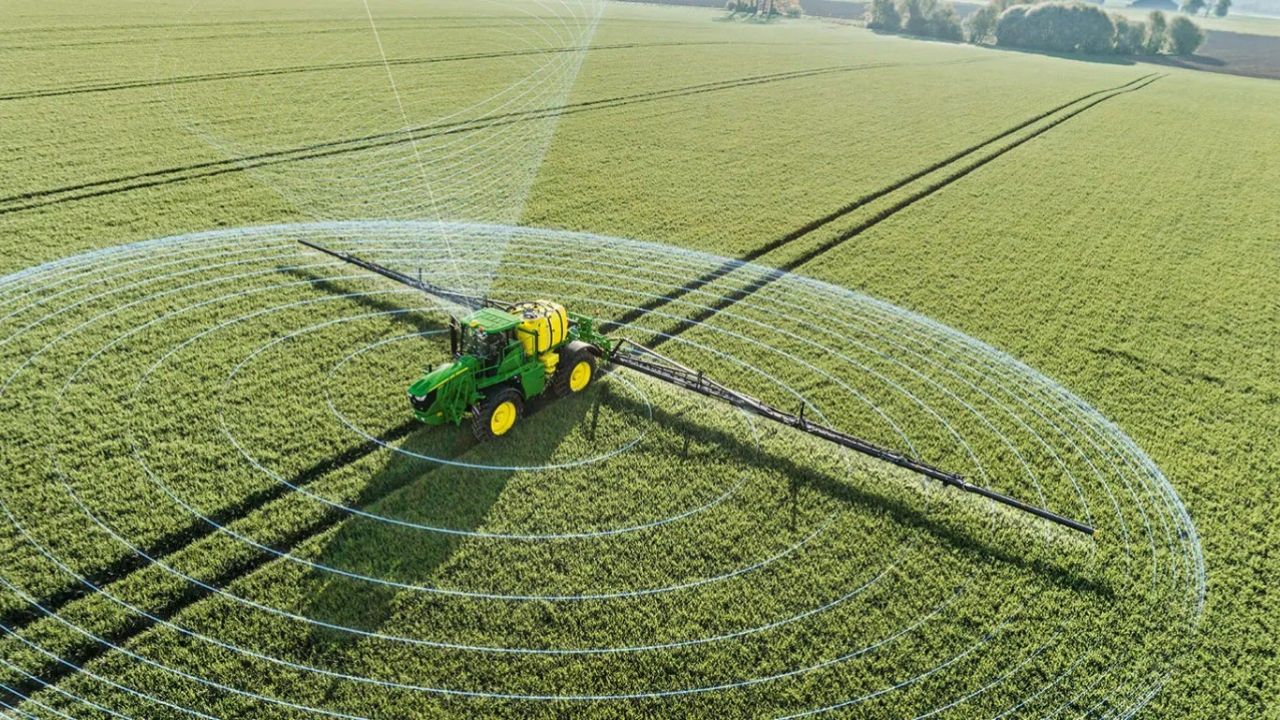
Agriculture is quickly changing with modern wireless technologies and developments. The long range antenna is at the heart of this transformation since they allow communications between the devices, sensors, and control systems across the farms. There is an offer of special antenna products that serve smart farming activities by companies such as BAT Wireless. Good RF antennas are crucial in the management of smooth, efficient, and uninterrupted agricultural activities.
Enabling Seamless Communication Across Farmlands
Agricultural farms tend to cover expansive lands in which a wired mode of communication may not be practical. RF antennas can be used to achieve long-range wireless communication, enabling devices to communicate over a range of kilometers. The functional ability is necessary to provide a connection of soil sensors, irrigation systems, weather stations, and machinery. The lack of quality antennas may cause inconsistencies in data transmission, information gaps, and decreased efficiency of operation. Constant connectivity means that farmers will be updated in real time and get to respond to the changes in time.
Enhancing Smart Irrigation Systems
One of the most important facets of agriculture is water management. Soil moisture sensors are connected to irrigation controllers via reliable RF antennas; this enables automated systems to deliver water according to the real-time demands. This helps minimize water wastage and also helps to make sure that crops get the maximum hydration possible. This communication can be disrupted at any time by irregular antenna functioning, resulting in excessive irrigation (over watering) or insufficient irrigation (under-irrigation). Through stable relations, RF antennas aid in enhancing water efficiency and support sustainable farming.
Improving Livestock Monitoring and Safety
Wireless technologies have also helped in livestock management. An RF antenna is used in the tracking system, which helps in tracking the location and health of animals. Such systems usually incorporate GNSS as well as RFID technologies in order to be accurate in terms of position and movement information. The quality of the antennas is what makes this information constantly transmitted, ensuring that farmers receive information in a timely manner regarding abnormal behavior, losses, and animal welfare. The disruption to transmissions of signals may create a delay in responding to disruptions, along with higher risks.
Enabling Efficient Use of Agricultural Machinery
The latest models of farming devices, such as tractors and drones, use wireless communication as a navigation and control tool. These operations are supported with RF antennas, facilitating the exchange of real-time data between machines and the control systems. To illustrate, agricultural drones rely on flight control through the use of an antenna, transmission of images, and monitoring of various fields. Consistent performance is of the essence to enable safe and effective operation. Any disruption of a signal or interference may disrupt tasks like spraying or surveying, which may cause inefficiency or even damage.
Operating in Harsh Environmental Conditions
Agricultural conditions may be demanding, where there may be exposure to extreme temperatures, humidity, dust, and electromagnetic interference. Agricultural RF antennas need to be durable under such circumstances and maintain the same performance. High-quality and robust antennas provide nonstop communication even where communication is interrupted, say in remote or adverse locations. This accuracy is a must in ensuring uninterrupted monitoring and control of the farming activities during various seasons and weather conditions.
Supporting Precision Farming Techniques
Precision agriculture highly depends on correct data gathering and evaluation. RF antennas allow sending a lot of detailed information about the soil moisture, temperature, and health of crops. When the performance of any given set of antennas is predictable, then such data will reach basic systems without delay or distortion. The farmers can therefore make prudent decisions regarding the irrigation, fertilization, and pest management. Any barrier to communication can affect the accuracy of said decisions, revealing how they may affect crop yields and resource management.
Reducing Costs and Increasing Efficiency
High-quality RF antennas will save on costs as they will reduce the necessity to resort to manual interference and decrease the number of system failures. The elimination of the cost of installing and maintaining the vast sites of cabling does away with wireless communication. Also, stable information transfer is useful in the optimization of resource utilization, water, fertilizer, and energy. Insofar as they enhance the efficiency of operations, the safe antennas have a direct influence on the productivity and profitability of the farms.
Conclusion
Well-known RF antennas are an essential element of the current agricultural activities. They facilitate a smooth communication process, facilitate precision farming, enhance irrigation systems, and improve livestock management. This is because of their consistency in informative situations, even within a very harsh environment, which means that farmers can also rely on real-time information to make deliberate decisions. Not only will the significance of reliable RF antenna solutions increase as agriculture progressively establishes itself with smart technologies, but the former will steadily ensure that farms become more efficient, sustainable, and productive.